World Asylum Informaiton Source

The Harsh Reality: Why Seeking Asylum May Not Be a Good Choice
Seeking asylum can save lives, but it is rarely a good or desirable choice—it is a path people turn to only when no other safe option remains. For most, asylum is not an opportunity; it is a last resort born from fear, danger, and desperation.
Md Abdullahel Kafi
12/9/20257 min read
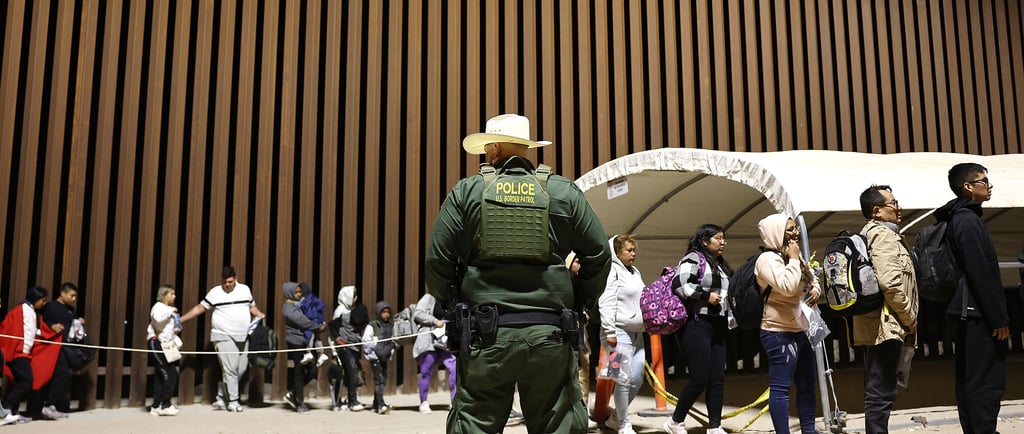
Introduction to Asylum
Asylum refers to the protection granted by a nation to individuals who have fled their home country due to a well-founded fear of persecution. This legal safeguard is intended to offer refuge to those facing serious threats, including but not limited to political, ethnic, religious, or social persecution. The motivations for seeking asylum are often deeply rooted in dire circumstances within one’s home country, where ongoing conflict or instability escalates the risks to personal safety and fundamental human rights.
Many individuals are compelled to embark on perilous journeys to find safety due to the encompassing nature of violence, fear, and oppression they experience. Conflict, such as civil wars, often results in widespread human rights abuses, forcing citizens to leave their homes and seek protection elsewhere. In addition to armed conflict, individuals might flee persecution resulting from their political beliefs or association with particular groups, including religious or ethnic minorities. The desire for stability and safety profoundly influences the decision to seek asylum, driving individuals to risk everything in the hope of a better future.
Asylum seekers often face a myriad of challenges as they navigate complex legal processes, cultural barriers, and the uncertainty of their new environment. The risk of rejection can lead to prolonged anxiety, while the stigma associated with seeking asylum can further complicate their experiences in host countries. It is crucial to appreciate the gravity of these choices, as the decision to seek asylum is often fueled by the pressing and urgent need for safety. Thus, understanding the intricacies of the asylum process and the motivations behind it is vital to grasp the broader implications it holds for individuals and societies alike.
Unrealistic Expectations
Many individuals seeking asylum arrive in their host countries with a set of unrealistic expectations regarding the asylum process and their subsequent lives. A prevalent myth is the notion that obtaining asylum is a straightforward endeavor. While the intention behind the asylum system is to provide refuge to those fleeing persecution, the reality is that the process is often complex, lengthy, and fraught with challenges. Asylum seekers may envision a seamless transition to safety and stability, yet they frequently encounter bureaucratic hurdles that can prolong their uncertainty.
Moreover, the belief that asylum automatically equates to a secure and prosperous life in a new country is misleading. Upon arrival, many asylum seekers face significant language barriers that hinder their ability to communicate and integrate effectively. Without proficiency in the local language, individuals may struggle to access essential services, secure employment, or build social connections. This communication gap can lead to feelings of isolation and anxiety, as they confront the new cultural landscape without the tools necessary to navigate it successfully.
Cultural differences can also be a source of disillusionment for asylum seekers. The values, norms, and practices they encounter in their host country may starkly contrast with those of their home culture, leading to potential misunderstandings and conflicts. Additionally, the misconception that asylum guarantees immediate safety can be particularly disheartening. While the host country may offer protective measures, asylum seekers may still experience discrimination, xenophobia, or difficulties in accessing adequate housing and healthcare. These factors can lead to a more challenging transition than initially anticipated, highlighting the importance of setting realistic expectations and adequately preparing for the complexities of seeking asylum.
The Legal Maze
Navigating the legal system as an asylum seeker presents considerable challenges that can exacerbate an already dire situation. The asylum application process is intricate, requiring individuals to complete a variety of forms and provide extensive documentation to establish a credible fear of persecution in their home country. This convoluted procedure demands not only a comprehensive understanding of immigration law but also the ability to articulate one's circumstances effectively during interviews. Unfortunately, many asylum seekers lack access to adequate legal representation, which can lead to significant misunderstandings and the potential rejection of their applications.
During the initial stages, the asylum applicant must participate in a series of interviews, where they must convincingly detail their experiences and fears. A lack of familiarity with legal terminologies and procedures can hinder their ability to present their case effectively. Additionally, applicants often face lengthy waiting periods that can lead to prolonged uncertainty regarding their legal status. This uncertainty is particularly burdensome as it severely impacts their ability to work, travel, or access essential resources necessary for daily living.
Should an asylum application be denied, the legal maze continues with the appeal process, which can further strain applicants both financially and emotionally. Immigrants may feel trapped, as their temporary status leaves them vulnerable and without clear direction. The result is a complex emotional landscape marked by anxiety and fear of deportation, which can be exacerbated by an uncooperative or overwhelmed legal system. The interplay between the ambiguity of legal procedures and the dire repercussions of missteps often turns the asylum-seeking experience into a protracted battle, stretching the limits of resilience for those involved.
Emotional and Psychological Toll
The journey of seeking asylum is fraught with challenges, and the emotional and psychological toll can be profound. Many asylum seekers come from backgrounds marred by traumatic experiences, including violence, persecution, and loss. The memories of these events can linger, contributing to a range of mental health issues such as post-traumatic stress disorder (PTSD), anxiety, and depression. The fear and uncertainty surrounding their current situation amplify these conditions, leaving individuals grappling with overwhelming stress and apprehension about the future.
Upon arriving in a new country, asylum seekers often experience a sense of isolation and displacement. The language barrier, cultural differences, and lack of support networks can exacerbate feelings of loneliness, making it challenging to integrate into the community. As these individuals navigate their new environment, they may also encounter stigma and discrimination, further intensifying their emotional struggle. The resulting sense of helplessness can lead to an increase in mental health issues, as the absence of a supportive community can hinder their healing process.
Furthermore, access to mental health services can be daunting. In many instances, asylum seekers may not know where to turn for help or lack the resources to receive the necessary support. Even when services are available, they may be constrained by long wait times, financial barriers, or cultural insensitivity within the system. Consequently, many individuals endure these hardships without adequate assistance, exacerbating their psychological distress. Thus, addressing these multifaceted emotional challenges is crucial in creating a supportive environment that fosters recovery and resilience among asylum seekers.
Economic Hardships
The journey to seek asylum often leads individuals to new countries in hopes of safety and stability. However, upon arrival, many asylum seekers encounter significant economic hardships that challenge their pursuit of a better life. One of the most immediate obstacles is the difficulty in securing employment. Many asylum seekers possess skills and qualifications that may be overlooked or undervalued in the host country, resulting in underemployment or unemployment. Language barriers and lack of recognition for foreign credentials further complicate the job search, leaving many individuals in precarious financial situations.
Financial instability is a common experience for those navigating the asylum process. Without a stable income, asylum seekers may struggle to afford basic necessities such as housing, food, and healthcare. This precarious financial situation not only affects their day-to-day survival but also any potential opportunities for gaining independence. The reliance on social services becomes inevitable for many, yet these resources often fall short of meeting the needs of these vulnerable populations. Availability and accessibility of such services can vary dramatically from one region to another, creating further disparities in the support offered to asylum seekers.
The economic hardships faced by asylum seekers can exacerbate previous traumas, complicating their integration into society. The stress associated with financial scarcity can lead to mental health issues, undermining their overall well-being. Moreover, the limited resources available to asylum seekers can hinder their ability to establish social connections and participate in their new communities, isolating them in their struggle. Ultimately, these economic challenges not only impact asylum seekers’ immediate quality of life but also their long-term prospects for successful integration and stability within the host society.
Social Integration Challenges
The journey of seeking asylum is often fraught with numerous challenges, particularly concerning social integration into new communities. Asylum seekers often encounter various forms of discrimination based on nationality, ethnicity, or religion. These biases can manifest in several ways, including social exclusion or derogatory comments, creating an environment where asylum seekers feel alienated and unwelcome. This social stigma can compound their struggles, making it even more challenging to establish interpersonal connections that are crucial for a support network in a new country.
Cultural alienation is another significant hurdle that asylum seekers must navigate. Upon arrival in a host country, these individuals frequently find themselves in environments that starkly contrast their native cultural practices and social norms. For instance, language barriers can hinder communication and limit opportunities to engage with local communities. Additionally, cultural misunderstandings may lead to further isolation, as asylum seekers may inadvertently offend or confuse locals while trying to adapt to their new surroundings. This disconnect can foster a sense of loneliness and exacerbate mental health issues, further complicating the integration process.
The consequences of these social integration challenges can extend beyond personal feelings of isolation; they may affect broader aspects of life, including employment prospects and access to services. Many asylum seekers may struggle to find employment due to prevailing stereotypes, limiting their ability to contribute economically and socially. As they grapple with these issues, the ideal of a welcoming and supportive community may seem unattainable, leading to a pervasive sense of disillusionment. Consequently, the intricate social challenges faced by asylum seekers require not only understanding but also collective action from host communities to facilitate better integration and inclusivity.
Conclusion: The Need for Awareness and Support
In summary, the journey of seeking asylum is fraught with numerous challenges that extend beyond the initial desire for safety and security. As highlighted in the earlier sections of this blog post, asylum seekers face legal hurdles, bureaucratic complexities, and often, discrimination within the host country. These multifaceted issues can lead to a prolonged state of uncertainty and emotional distress, emphasizing the pressing need for dedicated support systems.
Community awareness is crucial in addressing the misconceptions surrounding asylum seekers. Increased public understanding can foster a more inclusive atmosphere, helping individuals who are fleeing persecution feel welcomed and recognized in their new environments. Education campaigns that illuminate the realities of the asylum process, as well as the diverse backgrounds of those seeking protection, are essential in dismantling stigma and promoting empathy within communities.
Furthermore, the provision of robust legal aid services is vital in ensuring that asylum seekers receive accurate guidance and representation throughout their claims process. Legal complexities can often be overwhelming; thus, having access to knowledgeable professionals can significantly improve their chances of successfully navigating the system. Additionally, mental health services tailored to the needs of asylum seekers can provide necessary emotional support, helping them to cope with the trauma of their past experiences and the stress of relocation.
In conclusion, recognizing the intricate challenges faced by asylum seekers calls for a collective effort from society, legal professionals, and mental health advocates. By fostering a better understanding and providing essential resources, we can help individuals in need find stability and hope in what can often seem like an insurmountable journey. Supporting those who seek asylum is not just an act of kindness; it is a crucial step toward building a more just and compassionate society.