World Asylum Informaiton Source

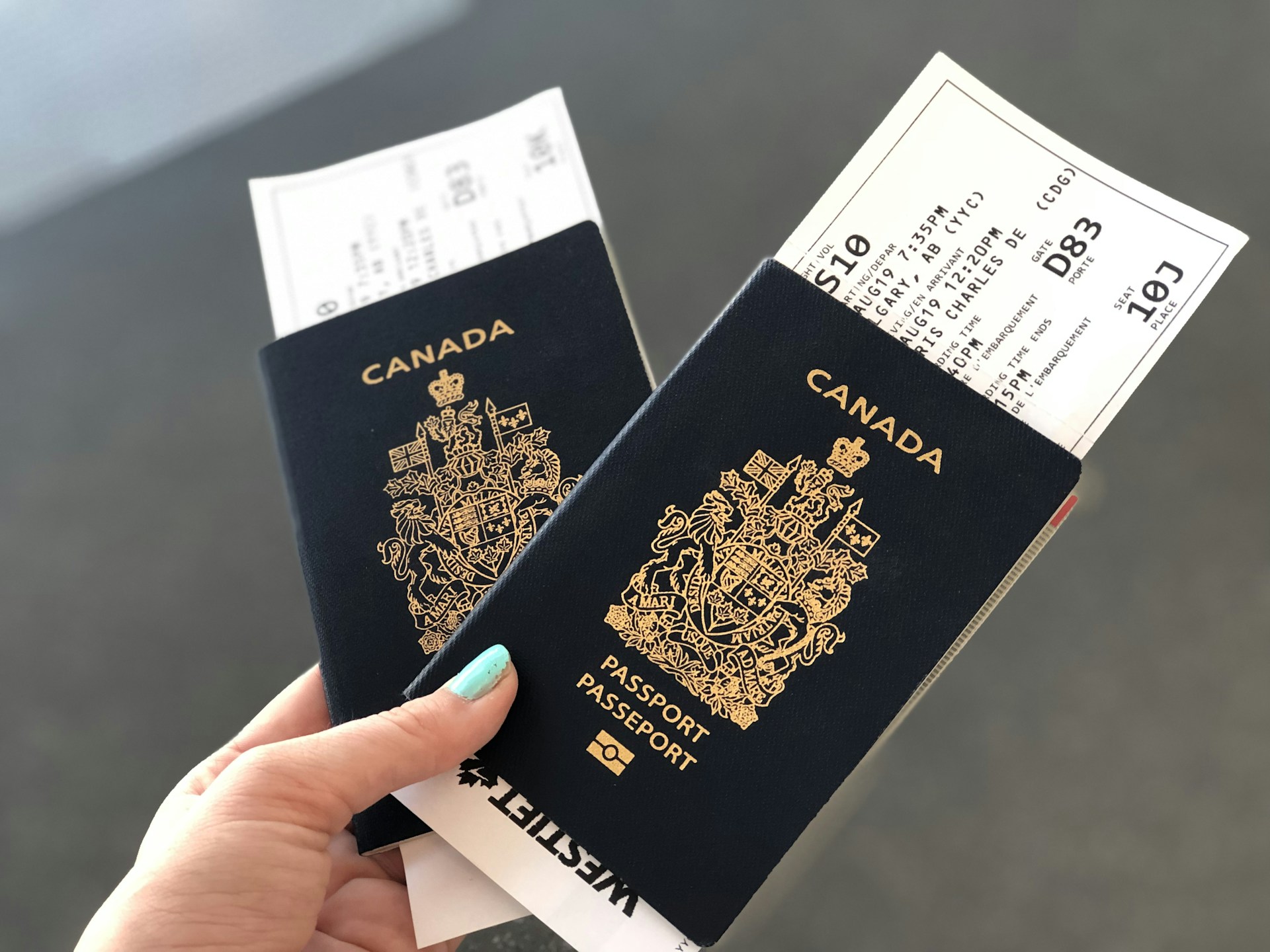
How to Apply for Asylum for Canada
Step-by-step guidance to help you seek asylum in Canada
How to Apply for Asylum in Canada: A Complete Step-by-Step Guide
Introduction: Understanding Asylum in Canada
Canada is internationally recognized as a country committed to protecting human rights and providing refuge to individuals fleeing persecution, violence, and life-threatening conditions. Through the Refugee Protection Program, Canada assesses claims from people who fear returning to their home countries because of risks such as political oppression, religious discrimination, gender-based violence, or threats to life and safety. The asylum process is designed to ensure fairness, transparency, and dignity for every claimant.
Applying for asylum in Canada is a formal legal process. It requires honest testimony, documentary evidence, and compliance with all immigration regulations. This comprehensive guide provides a full explanation of how the process works from the moment you express fear of returning home to the final decision and permanent residency pathway.
Making an Asylum Claim at a Port of Entry
Individuals who arrive at a border crossing, airport, or seaport may declare their intention to seek asylum as soon as they encounter a Canada Border Services Agency (CBSA) officer. The officer conducts an eligibility interview to determine whether the claimant meets the basic requirements under the Immigration and Refugee Protection Act (IRPA). The assessment involves verifying identity documents, reviewing travel history, and confirming whether the claimant has made previous claims in Canada or another safe country.
If the officer determines the person is eligible, the claim is referred directly to the Immigration and Refugee Board of Canada (IRB). The applicant then receives instructions about completing the required documents, medical examinations, and deadlines for the Basis of Claim (BOC) submission.
More information can be found on the official IRCC Asylum Page at:
https://www.canada.ca/en/immigration-refugees-citizenship/services/refugees/asylum.html
Starting an Inland Asylum Claim Inside Canada
Asylum seekers who are already in Canada can submit their claim at an Immigration, Refugees and Citizenship Canada (IRCC) office. To start the process, they must complete several mandatory forms and then attend an eligibility interview with an immigration officer. During this meeting, the officer evaluates eligibility, gathers personal details, and confirms that the claimant is not inadmissible for reasons such as criminal activity or security risks.
Once eligible, the claimant receives two important documents: the Acknowledgment of Claim and the Refugee Protection Claimant Document (RPCD). The RPCD gives access to services such as the Interim Federal Health Program (IFHP) and allows the claimant to legally remain in Canada while their case is processed.
Completing the Basis of Claim (BOC) Form
The BOC form is the most important document in the asylum process. It requires claimants to provide a detailed written statement of their refugee story. This includes:
The events that caused them to flee their country
Threats, violence, or persecution experienced
Why they believe they face danger if they return
Any evidence supporting their statements
Details about identity, family, and past travel
Because the BOC is central to the credibility of the case, many applicants seek legal help to ensure accuracy and clarity. The IRB requires the BOC to be submitted within 15 days of referral unless extensions are granted. Failing to submit this document on time can negatively affect the case.
Official BOC guidelines are available here:
https://irb-cisr.gc.ca/en/refugee-claims/Pages/basis-of-claim.aspx
Gathering Supporting Evidence for the Refugee Hearing
Once the asylum claim is referred to the IRB, the preparation stage begins. Claimants must collect all documentation that supports their story. Evidence may include medical records, police reports, photographs, witness statements, threatening letters, social media screenshots, and country-condition reports. The IRB also provides research documents such as National Documentation Packages (NDPs), which summarize human rights conditions in specific countries.
This stage is extremely important because documentary evidence strengthens credibility. Legal representatives help claimants organize the evidence, write supporting affidavits, and prepare for the oral testimony during the hearing.
Understanding the Role of the Immigration and Refugee Board (IRB)
The IRB is an independent administrative tribunal responsible for deciding refugee claims. Hearings are conducted by members of the Refugee Protection Division (RPD). During the hearing, the claimant tells their story under oath and answers detailed questions from the IRB member and Minister’s counsel when applicable. The decision depends heavily on:
Consistency between the testimony and BOC
Credibility of the statements
Quality of documentary evidence
Accuracy of identity details
Country-of-origin conditions
A claimant may receive an oral decision on the same day or a written decision later. If accepted, the person is recognized as a Protected Person who cannot be returned to their home country.
More details about the IRB hearing process:
https://irb-cisr.gc.ca/en/refugee-claims/Pages/claim-process.aspx
Outcomes After the Refugee Hearing
Accepted claimants may apply for permanent residency in Canada. This application requires medical examinations, security checks, and background verifications. Permanent residency provides access to full settlement services, work rights, and eventual citizenship.
If the claim is refused, the claimant may still have legal options depending on their situation. These include:
Appealing to the Refugee Appeal Division (RAD)
Applying for judicial review at the Federal Court of Canada
Filing a Pre-Removal Risk Assessment (PRRA)
Humanitarian and Compassionate (H&C) Application
Each remedy has deadlines and eligibility rules, so legal assistance is highly recommended.
Appeals and Judicial Reviews
The Refugee Appeal Division provides an opportunity to challenge an unfair decision. In an appeal, the claimant submits legal arguments and supporting evidence to demonstrate why the decision was incorrect. If the RAD rejects the appeal, the claimant may seek judicial review at the Federal Court, where a judge examines whether the IRB made a legal error.
Judicial review is not a re-hearing of the case. It focuses on whether proper procedures and legal standards were followed. If the judge agrees that the IRB made a mistake, the case may be returned for a new hearing.
Applying for Permanent Residency After Being Accepted
Individuals accepted as refugees or persons in need of protection can apply for permanent residency through the Protected Persons and Convention Refugees category. This application includes identity verification, security assessments, and medical exams. Family members may also be included under certain conditions. Once approved, the person becomes a permanent resident and can later apply for Canadian citizenship after meeting residency requirements.
More information:
https://www.canada.ca/en/immigration-refugees-citizenship/services/refugees/apply-for-permanent-residence.html
Common Challenges Faced by Asylum Seekers
Throughout the asylum process, claimants may encounter challenges such as limited access to legal representation, difficulty obtaining evidence from their home country, language barriers, and trauma-related memory issues. Canada provides settlement services and interpreters to help address these challenges, but the process still demands emotional strength and persistence.
Tips for a Strong Asylum Application
A successful asylum case depends on several factors. Claimants should always tell the truth, remain consistent in their statements, attend all appointments, and keep copies of all documents. Evidence should be organized clearly, and legal guidance should be obtained whenever possible. Being well-prepared for the hearing can significantly improve the chances of a positive outcome.
Conclusion
Canada’s asylum system is designed to offer protection to people whose lives and safety are at risk in their home countries. While the process can be complex, understanding each step—making a claim, preparing the BOC, gathering evidence, attending the IRB hearing, and pursuing appeals or permanent residency—makes it easier to navigate. This guide provides a complete and trustworthy overview for individuals seeking safety and a new beginning in Canada.
APA References
Government of Canada. (2024). Claim refugee protection in Canada. Immigration, Refugees and Citizenship Canada. https://www.canada.ca/en/immigration-refugees-citizenship/services/refugees/asylum.html
Immigration and Refugee Board of Canada. (2024). Basis of Claim (BOC) Form. https://irb-cisr.gc.ca/en/refugee-claims/Pages/basis-of-claim.aspx
Immigration and Refugee Board of Canada. (2024). Refugee claim process. https://irb-cisr.gc.ca/en/refugee-claims/Pages/claim-process.aspx
Government of Canada. (2024). Apply for permanent residence as a protected person. https://www.canada.ca/en/immigration-refugees-citizenship/services/refugees/apply-for-permanent-residence.html